How to Make Your First $1,000 From a Side Business
The first $1,000 is the hardest because it proves someone will pay. Focus on one offer, a clear buyer, and a price that covers your costs.
The first 1,000 dollars from a side business is not a rounding error. It is proof that a stranger will exchange money for something you made or did. That proof is worth more than the amount because it replaces guessing with evidence. The goal is not a brand, a logo, or a website; it is one paid transaction repeated enough times to reach four figures.
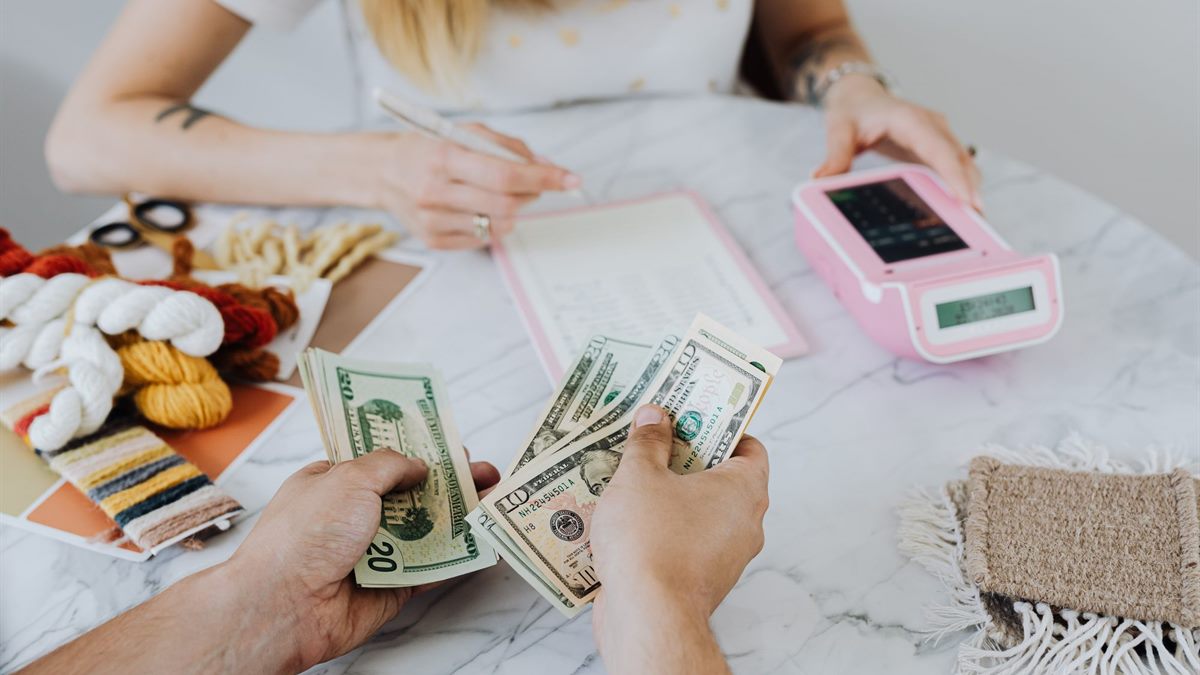
Pick one offer, not a business idea
An idea is a direction. An offer is a specific thing someone can buy: a repaired bicycle in two days, a weekly social media package, a batch of six candles, a two-hour bookkeeping cleanup. Write the offer in one sentence that names the buyer, the result, and the price range.
Choose something you can deliver this week with tools you already own. Speed matters more than perfection at this stage. If you cannot describe the finished result, the offer is still too vague to sell.
Find ten possible buyers before building anything
Make a list of ten people or businesses that match the offer. Not a social media following; ten real names. Send a short message that states what you do, who it is for, and one clear next step. Ask for a small paid test rather than a big commitment.
- Local businesses that already serve your target customer.
- People who have asked you for this kind of help before.
- Communities where the problem is discussed openly.
- Existing contacts who can introduce you to one buyer.
- Repeat customers from any previous informal work.
Ten conversations will teach you more than a month of planning. If nobody responds, the offer or the buyer is wrong, and you can change it cheaply.
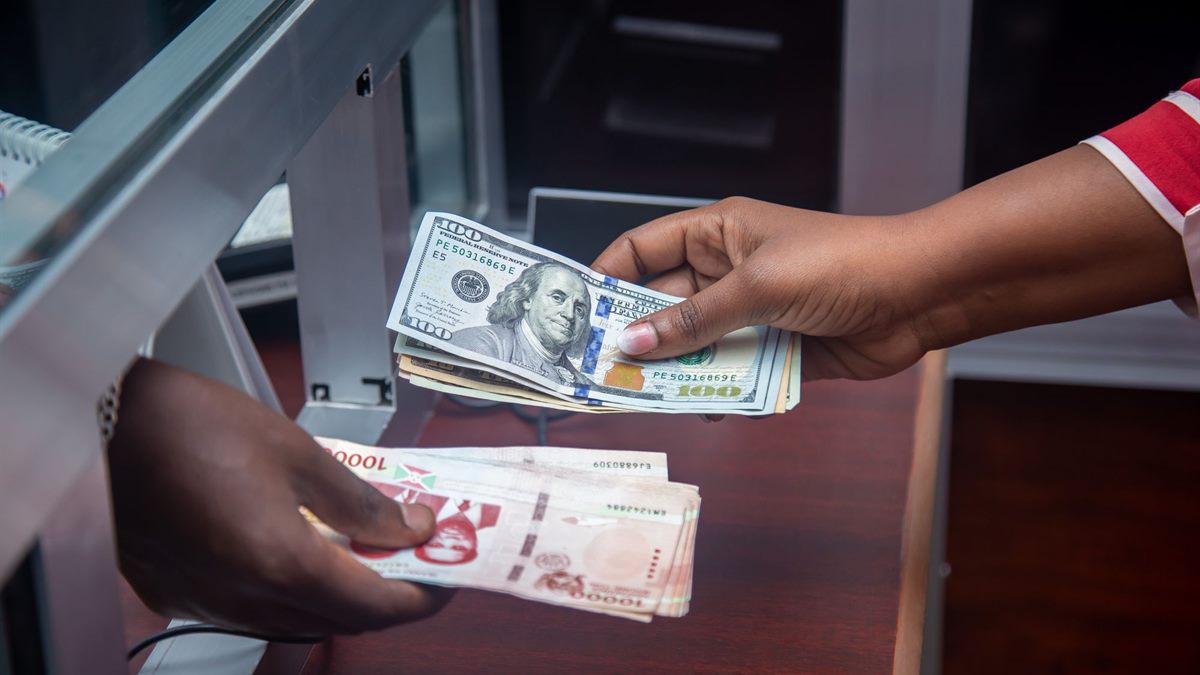
Price so the work can continue
Add up the direct costs of delivering once: materials, delivery, platform fees, and the hours you cannot spend elsewhere. Set a price that covers those costs and leaves a margin for mistakes and tax. Do not price at the lowest number simply to win the first job; that sets a ceiling you will struggle to raise later.
For the first few jobs, charge a clear fixed price for a defined scope. Hourly pricing punishes you for getting faster and invites unlimited requests. Write down what is included and what costs extra.
Track cash from day one
Open a separate account or a simple ledger and record every payment and expense. Mixing business and personal money makes it impossible to know whether the side business is actually profitable. A weekly total is enough at the start.
A business is not the same as a hobby with income. If revenue is growing, understand the tax and registration rules that apply where you live before the first busy month. Our guide to small business cash flow explains the weekly view that keeps a young business solvent.
The U.S. Small Business Administration's business guide covers planning, registration, and the basic legal steps for a new venture.
Repeat what worked, then raise the price
Once you have five satisfied buyers, look for the pattern: the same request, the same channel, the same objection. Double down on that. Raise the price for new customers when delivery is reliable, and keep the old price only for a limited group if you want to reward early buyers.
Reaching the first 1,000 dollars is a milestone, not a business model. The next milestone is repeatable profit, which requires knowing your numbers and protecting your time.
Frequently Asked Questions
Do I need a registered business to start?
Rules vary by country and by income level. You can often test an offer before formal registration, but check local requirements for tax, permits, and business banking early so you do not build on an avoidable problem.
How long should the first $1,000 take?
It depends on the offer and price. A service priced at 250 dollars needs four sales; a product priced at 25 dollars needs forty. Aim for a repeatable path rather than a specific deadline.
Should I spend money on ads?
Not before you have sold manually. Direct conversations prove the offer and the price at almost no cost. Ads amplify a working offer; they rarely fix a vague one.
What if my first buyers are friends and family?
They are useful for feedback, but count only repeat purchases from people outside your circle as evidence. Ask them for introductions to buyers who do not know you.