Index Funds for Beginners: What They Are and How They Work
An index fund buys a whole market instead of picking winners. Here is how that works, what it costs, and what it does not protect you from.
An index fund is a pooled investment that tries to match a market index rather than beat it. If the index contains the largest companies in a country, the fund holds those companies in similar proportions. When the market rises, the fund rises with it; when it falls, the fund falls too. That simplicity is the point.
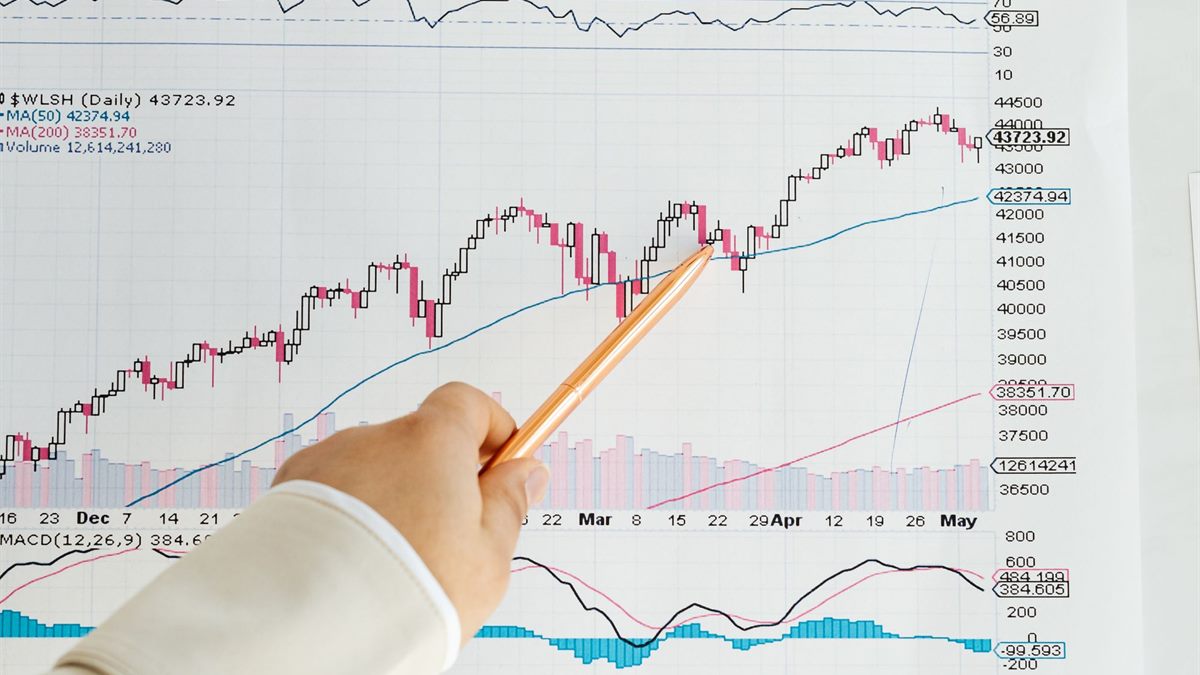
How the index decides what to buy
An index is a rulebook. It might say, for example, that a fund should hold the largest listed companies by market value, weighted by size. The fund manager does not research each company and choose favourites; they follow the rulebook. That keeps trading low and costs down.
Because the fund owns many companies, a single business performing badly does not sink the whole portfolio. This is diversification in practice: spreading money so that no one failure decides the outcome.
What it costs and why fees matter
Index funds usually charge less than actively managed funds because they do less trading and employ fewer analysts. A difference of one percentage point in annual fees looks small, but it compounds against you over decades.
- Expense ratio: the annual percentage taken from the fund.
- Trading costs: commissions or spreads when you buy and sell.
- Account fees: platform or brokerage charges.
- Tax: depends on your country and account type.
Check the total cost, not only the headline expense ratio. A cheap fund inside an expensive platform can still be expensive.
What an index fund does not do
It does not remove risk. A broad market fund can fall twenty percent or more in a bad year, and it can stay down for several years. It does not protect against inflation if the market stagnates. It does not tell you when to sell, and it does not guarantee that the index you chose is the right one for your goals.
It also does not make you an expert in individual companies. That is fine. For most first-time investors, the goal is a diversified, low-cost holding they can leave alone, not stock picking.
How to start without overthinking
Decide the purpose of the money first. Money needed within three years belongs in savings, not the market. Long-term money can be invested regularly, ideally through automatic contributions, so you buy at different prices instead of trying to time a single entry point.
Choose a broad index, check the fee, and confirm the fund is available in your account type. Then leave it alone. If you want to understand how returns build over time before investing, read our explanation of compound interest and the time value of money.
The U.S. Securities and Exchange Commission's Investor.gov site explains mutual funds and exchange-traded funds in more detail, including how index funds are structured.
A reasonable first-year plan
Build a small emergency buffer, clear high-interest debt, and then invest a fixed amount each month. Increase the amount when income rises. Review once a year, not daily. Boring, repeatable contributions beat dramatic decisions made after reading headlines.
Frequently Asked Questions
Are index funds safer than individual stocks?
They are more diversified, so one company failing hurts less. They are not safe in the sense of guaranteed returns; a broad index can still fall sharply in a market downturn.
How much money do I need to start?
Many brokers allow small initial purchases or fractional shares. The more important question is whether you have an emergency buffer and no high-interest debt before investing.
Should I choose an index fund or an ETF?
Both can track the same index. The difference is mainly how they trade and what they cost on your platform. Compare total costs and convenience rather than the label.
Can I lose all my money in an index fund?
A diversified broad-market fund is unlikely to go to zero, but it can lose a large share of its value in a severe downturn. Only invest money you will not need for several years.